With consumer expectations continually evolving, driven by taste, cost, health and sustainability, manufacturers must bring high-quality products to market quickly, efficiently and safely. Engenda understands the importance of delivering agile, compliant and cost-effective production solutions that enable clients to respond rapidly to shifting demand.
As an end-to-end engineering partner, Engenda supports food and beverage manufacturers in improving operational efficiency, maintaining compliance and accelerating innovation across complex processing environments.
Core Markets:
Primary Food Processing
Secondary Food Processing
Nutritional additives
Powders
Dairy
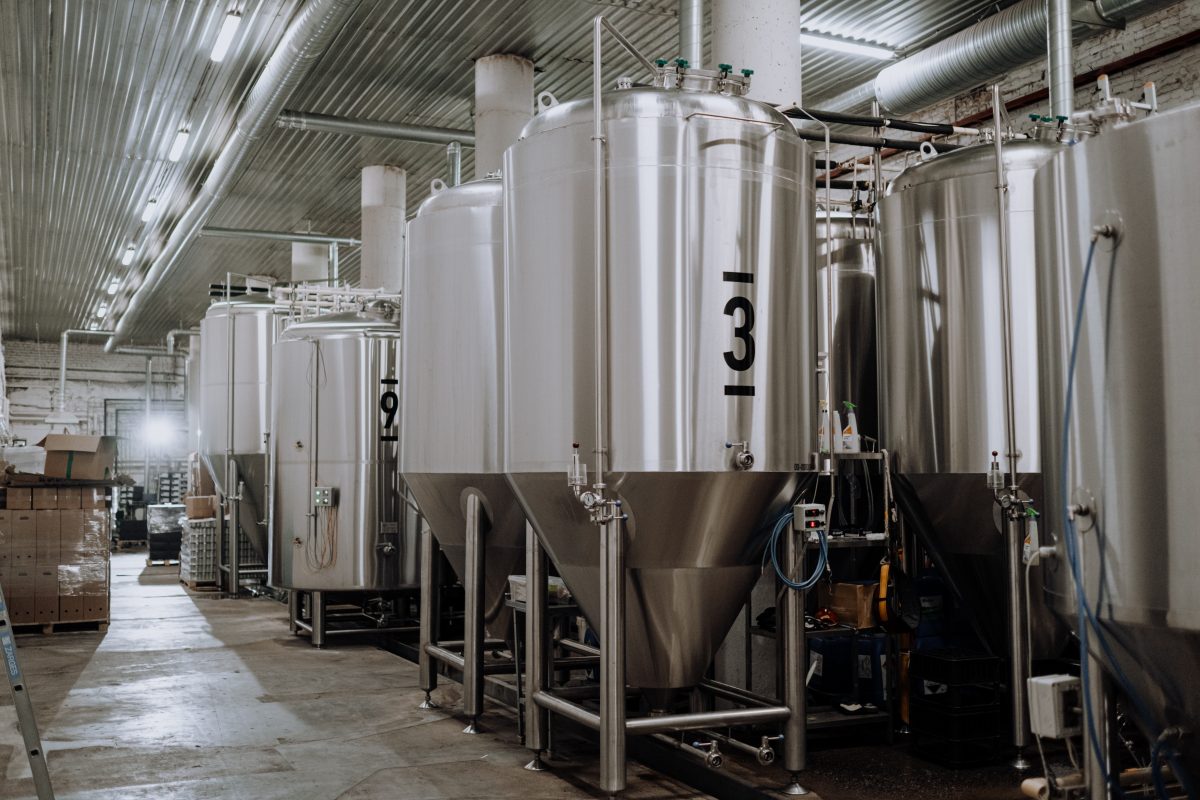
Brewery
Distillery
Engineering within the food and beverage sector remains highly complex, requiring strict adherence to:
Food-grade processing standards
Hygiene and contamination control
ATEX/DSEAR compliance
Process safety and validation
Technical Capability:
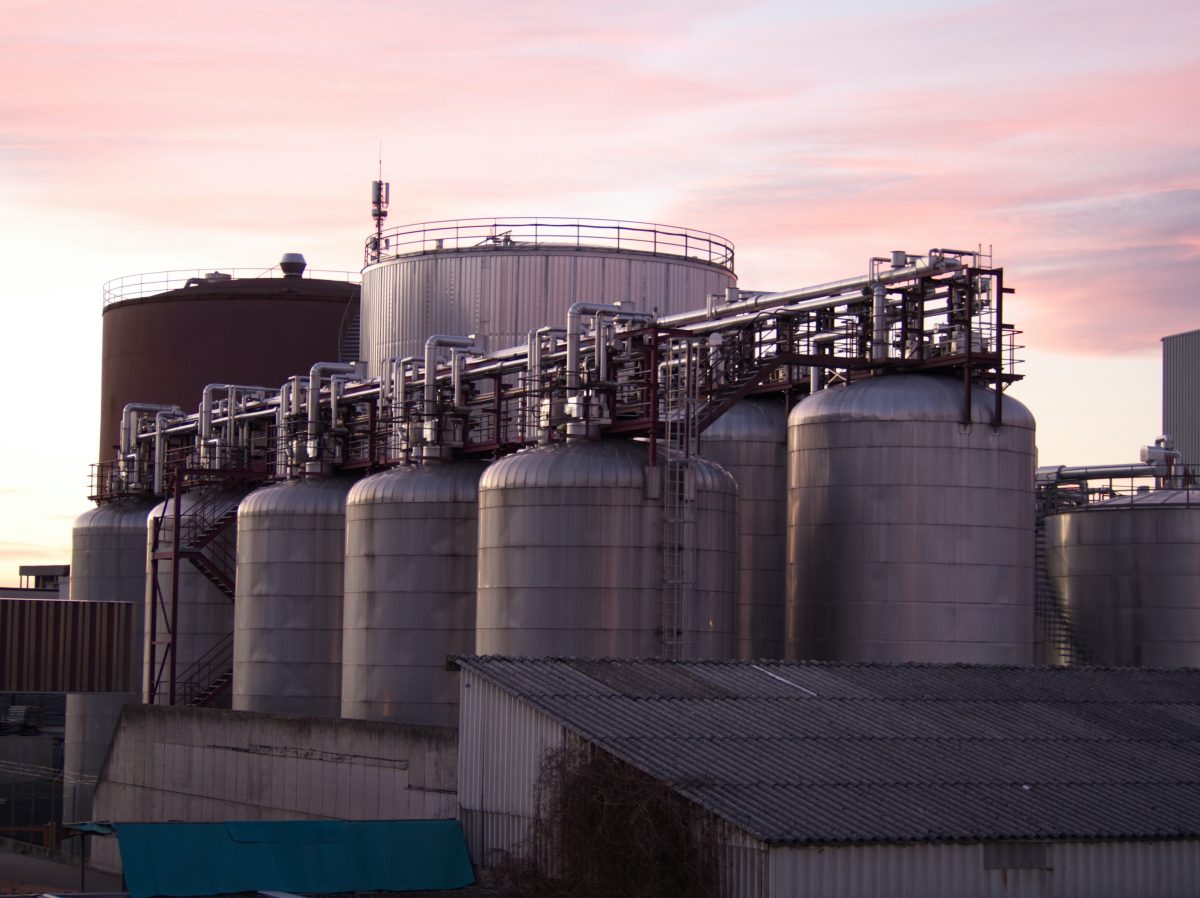
Our expertise includes, but is not limited to: relief vent sizing, DSEAR studies, hazardous area classification, SIL gap analysis, pump house upgrades, vessel and relief assessments, storage tank design and manufacture, FEED studies, EPCM and construction management.
Engenda services provided to the Food & Beverage industry include:
The food and drink industry remains the UK’s largest manufacturing sector, playing a critical role in the national economy and supply chain.
The sector currently:
Employs approximately 480,000–490,000 people directly in manufacturing
Supports over 4.1 million jobs across the wider agri-food chain [gov.uk]
Contributes around £37 billion in Gross Value Added (GVA) to the UK economy
Generates over £150 billion in turnover annually
Employment growth has remained strong, with around 41,000 additional jobs created since 2018 and continued long-term expansion driven by investment in automation and product innovation. [fdf.org.uk]
Dynamics and Trends:
The sector continues to demonstrate resilience, but is operating in an increasingly complex environment shaped by:
Cost pressures and inflation
Supply chain and labour challenges
Changing consumer behaviour driving growth in Plant-based, low-alcohol products and private-label offerings
Sustainability and net zero transition
Automation and digitalisation
Product innovation
While smaller and specialist producers are growing, major global manufacturers continue to dominate capital and operational investment, particularly in large-scale, automated production facilities.