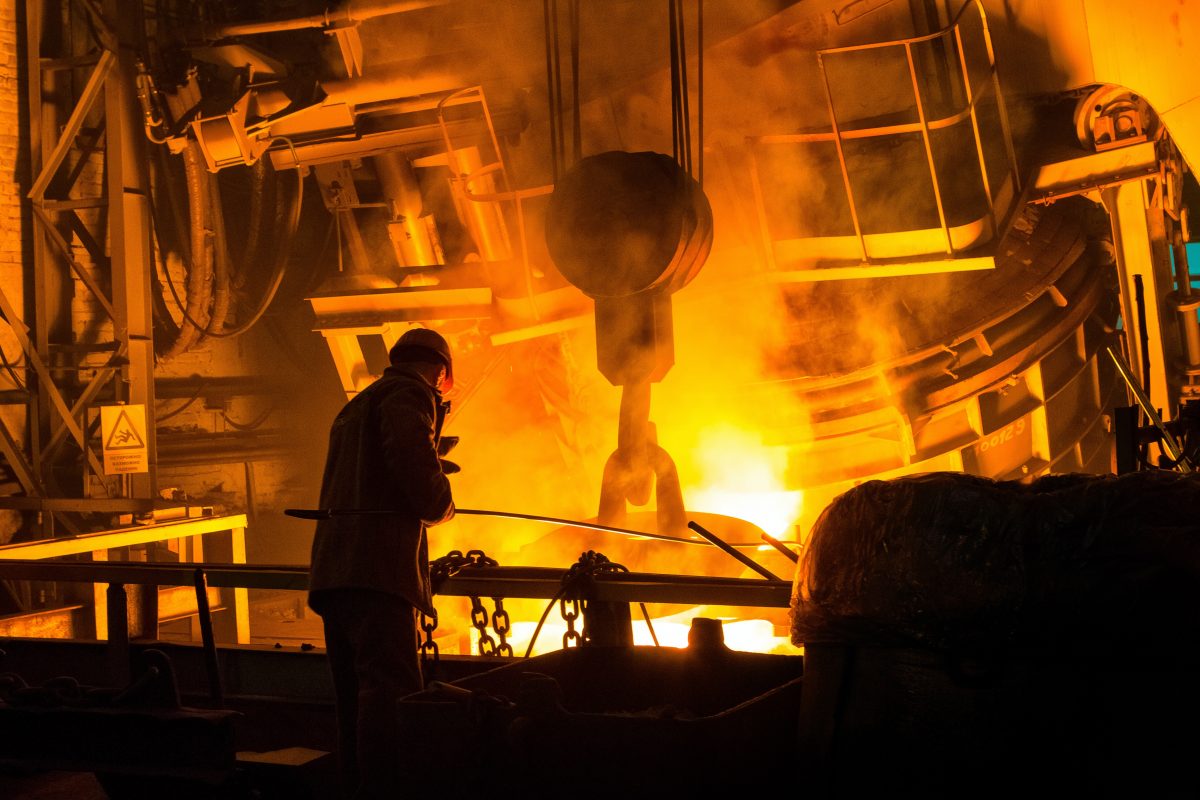
Heavy Industrial
Heavy industrial manufacturing demands significant capital investment, disciplined process control, and consistent operational excellence. Production is typically undertaken in complex, high-risk environments at scale, requiring intensive use of raw materials and energy.
As the sector transitions towards lower-carbon operations, organisations are under increasing pressure to improve energy efficiency, reduce emissions, and adopt more sustainable production methods.
Engenda brings a deep understanding of high-energy, safety-critical environments. We deliver high-quality, compliant solutions with a strong focus on safety performance and operational reliability. Our integrated service offering spans the full project lifecycle – from concept and design through to delivery, commissioning and ongoing maintenance – ensuring continuity, efficiency and value at every stage.
Core Markets include:
- Steel Production
- Concrete Production
- Building Materials
- Non ferrous metals
Types of materials include; Cold rolled steel framing, Concrete, Composites, Thermal protection, Moisture protection, High-performance insulation, Industrial doors, Plaster, Gypsum Board, Ceramic Tile, Flooring, Paints, Fire suppression equipment, Brick, Glass, Cinder blocks, Building plastics and many more.
Our Services
We provide a comprehensive suite of services to the steel manufacturing and building products sectors:
- Engineering and Design
- Project Management
- Maintenance and Site Services
- Mechanical Solutions
- Electrical and Instrumentation
- Manufacturing
- Training
- Resourcing
Specialist Capabilities
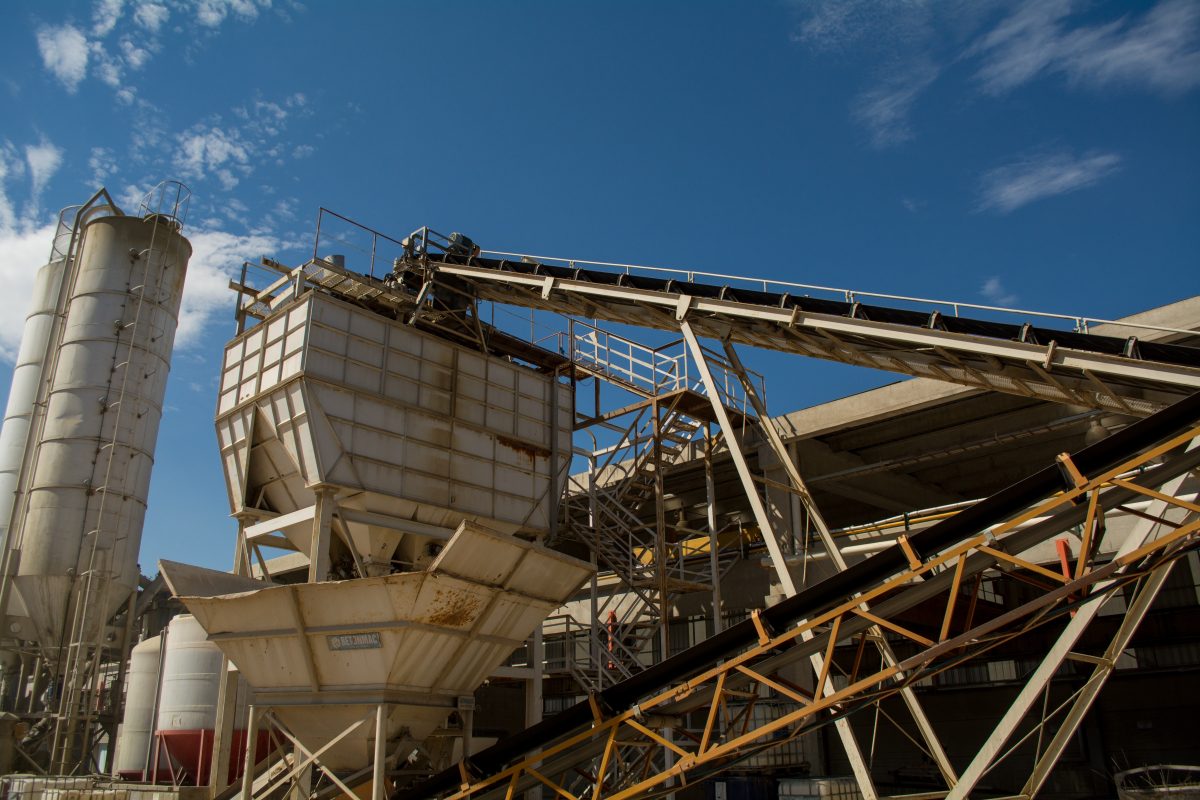
Market Overview
Global steel production remains a cornerstone of heavy industry, with output reaching approximately 1.89 billion tonnes in 2024.
Production stabilised at around 1.85 billion tonnes in 2025, reflecting market rebalancing and ongoing economic pressures. [steelonthenet.com]
Looking ahead, demand is expected to recover modestly to between 1.72 and 1.77 billion tonnes in 2026, signalling a period of gradual stabilisation and renewed growth. [worldsteel.org]
Key drivers shaping the market include:
- Continued global urbanisation and population growth
- Sustained investment in infrastructure and construction
- Demand from automotive and manufacturing sectors
- Increased adoption of long steel products in structural applications
At the same time, the industry is undergoing structural transformation, with a strong focus on:
- Decarbonisation and low-emission production technologies
- Expansion of scrap-based steelmaking and circular economy practices
- Increased demand for advanced and high-performance materials
- Regional growth in emerging markets, particularly India, the Middle East and Africa [steelradar.com]
As an essential industry, building products and heavy industrial manufacturing have proven resilient through economic cycles, continuing to attract investment and drive long-term demand.